Winter is my favorite time of year, but it can also be a challenge when it comes to staying warm. I love spending time outdoors, whether it's hiking, skiing, or just walking around town. But I've always struggled with finding the right headwear to keep me comfortable. A warm head is key to enjoying the cold weather, but I also didn't want to overheat and get sweaty. My search for the perfect winter beanie has been quite the journey, and I'm excited to share my experiences and what I've learned along the way.
For years, I relied on a light Polartec beanie, thinking it was good enough. But as I started spending more time in colder conditions, I realized I needed something more. The Polartec beanie was fine for mild winter days, but it didn't cut it when the temperature really dropped. The biggest issue was finding a balance between warmth and breathability. I wanted something that would keep my head warm without causing me to sweat excessively. Sweaty head in winter? Not fun. I needed a winter beanie that could do it all.
My first thought was to just get a thicker beanie. I tried a few different wool beanies, but they were often too bulky and itchy. Plus, they didn't breathe very well, so my head would get sweaty and then cold when I stopped moving. It was a miserable cycle. I needed a different approach.
Then, I stumbled upon the idea of layering. I had always thought of layering clothes for my body, but it never occurred to me to do the same for my head! I started experimenting with different combinations of headwear. I tried using a Buff as a base layer, followed by a fleece beanie, and then a hood over the top. This worked surprisingly well, especially in really cold conditions. I found that the layers trapped air and provided excellent insulation. However, it felt like a lot to put on my head.
Another thing I explored was windstopper hats. I discovered that windstopper materials are incredibly effective at blocking the wind, which can make a huge difference in how warm you feel. I even tried using windstopper hats designed for cyclists under my regular beanie. These were lightweight and provided an extra layer of protection against the wind. They were a great option for days when the wind was particularly brutal.
Through my experiments, I realized that the material of the beanie is crucial. Wool is a classic choice for warmth, but it can be itchy and slow to dry. Synthetic materials like fleece and Polartec are more breathable and dry quickly, but they may not be as warm as wool. I also learned about Apex insulation, which is known for its excellent warmth-to-weight ratio. Some people even suggested using an Apex beanie held in place with a rubber band for a super lightweight and warm option.
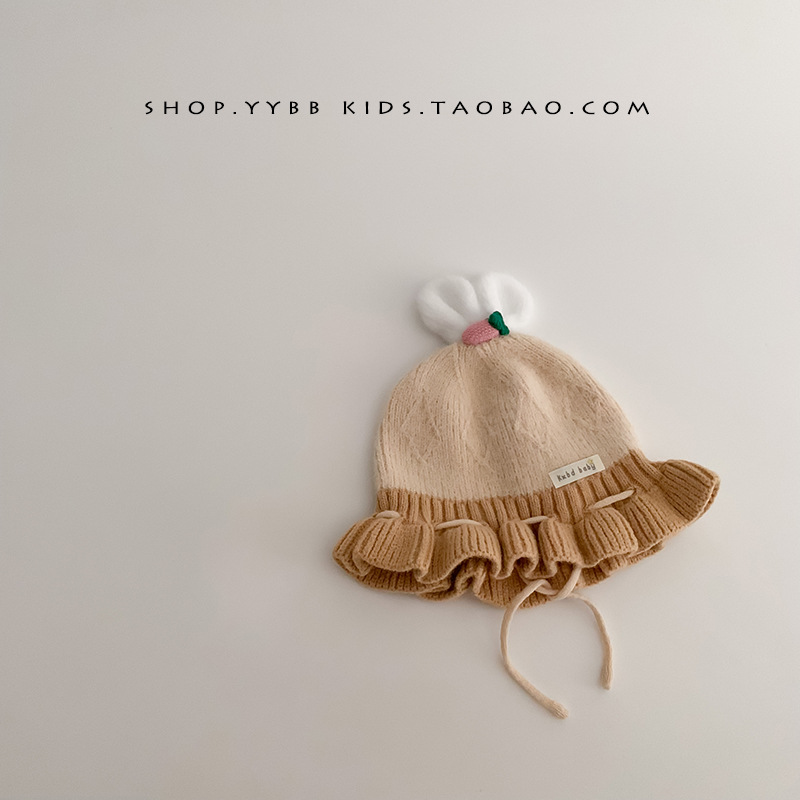
However, I was looking for something that looked cute and would keep my little niece warm. I found a beautiful option on homepage, the Kid's 45-49cm Girl Baby children's Hat Autumn Winter Models Sweet Beanie Rabbit Baby Wool Princess Cap Toddler Knitted Hats. It's cream-colored and designed for babies aged 7-24 months with a head circumference of 45-49cm. It's made of wool and looks incredibly sweet and cozy.
I decided to purchase the beanie from Wholecustomdesign and give it a try. When it arrived, I was immediately impressed with the quality of the material. The wool was soft and didn't feel itchy at all. The rabbit design was adorable, and the cream color was perfect for matching with different outfits. My niece looked absolutely precious in it!
The best part was that it kept her head warm without causing her to overheat. The wool allowed for some breathability, so she didn't get sweaty even when she was running around and playing. It was the perfect combination of warmth, comfort, and style.
Based on my experiences, here are some practical tips for choosing the right winter beanie: